Choosing an AI Partner? Ask These 10 Questions First
Plenty of AI projects die in the pilot phase. And it's rarely the technology's fault. Usually someone at the top picked the wrong vendor, or never vetted them properly in the first place.

Plenty of AI projects die in the pilot phase. And it's rarely the technology's fault. Usually someone at the top picked the wrong vendor, or never vetted them properly in the first place.
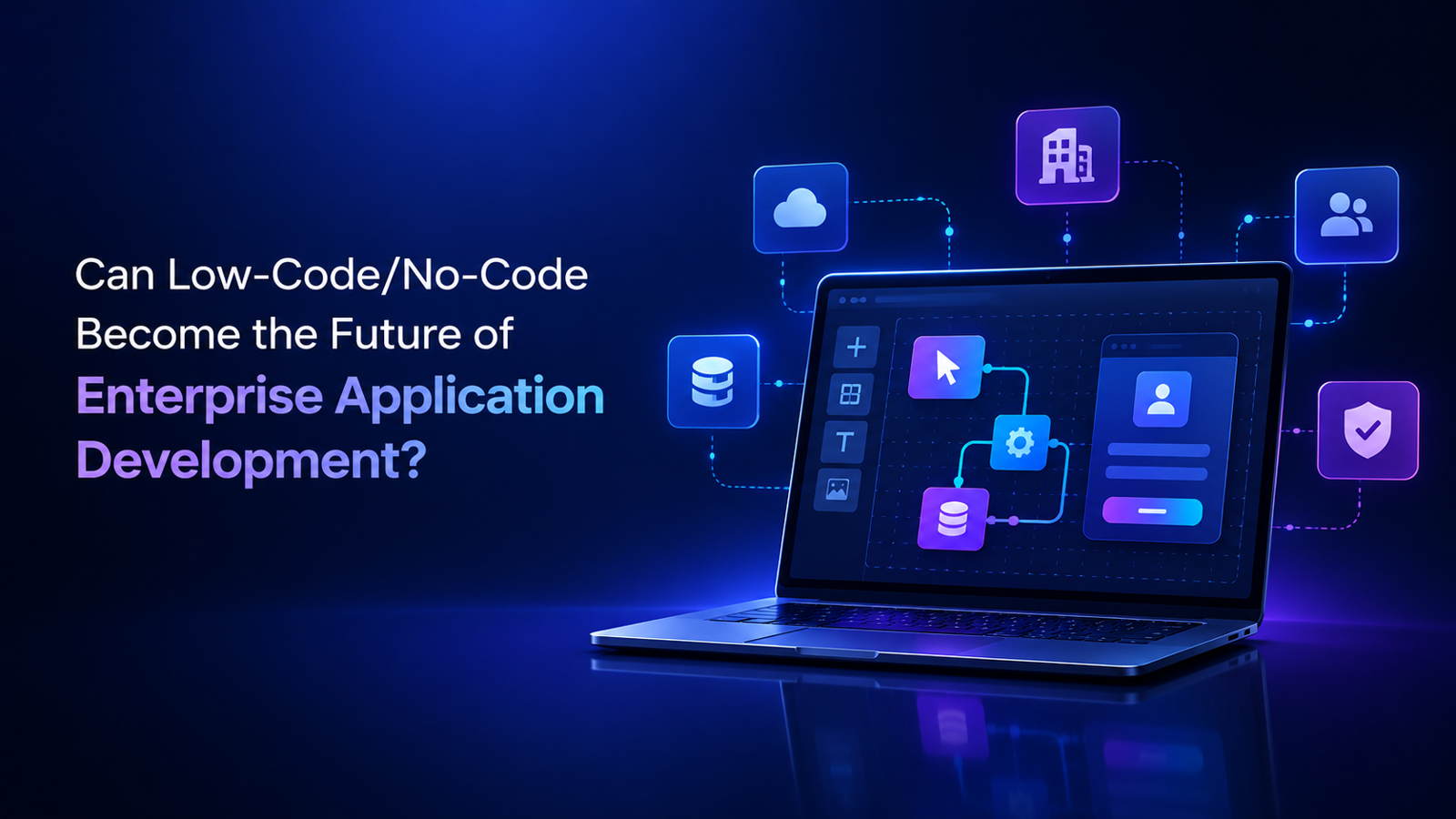
Software backlogs choke enterprise progress. When businesses keep submitting tickets for internal dashboards, customer portals, and workflow automation, time to build proprietary products vanishes.
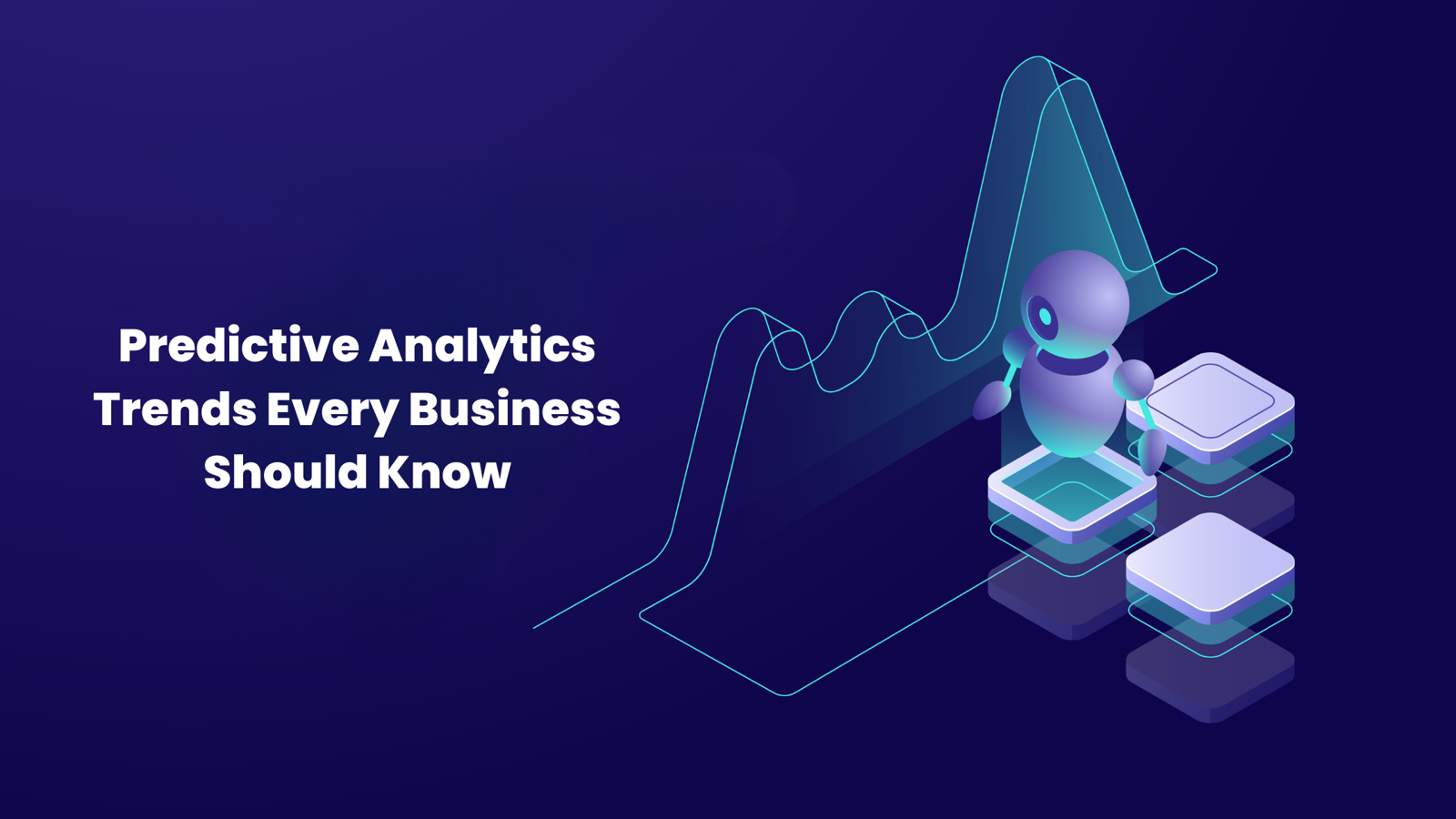
Static reporting is no longer enough to navigate rapidly shifting market conditions. Modern businesses are shifting away from historical dashboards, toward active forecasting systems that predict changes before they happen. Today, implementing advanced predictive analytics solutions is not just a technological upgrade - it is a core strategic priority. Understanding the key factors influencing this environment allows firms to allocate capital more effectively, streamline everyday routines, and develop long-term operational resilience.
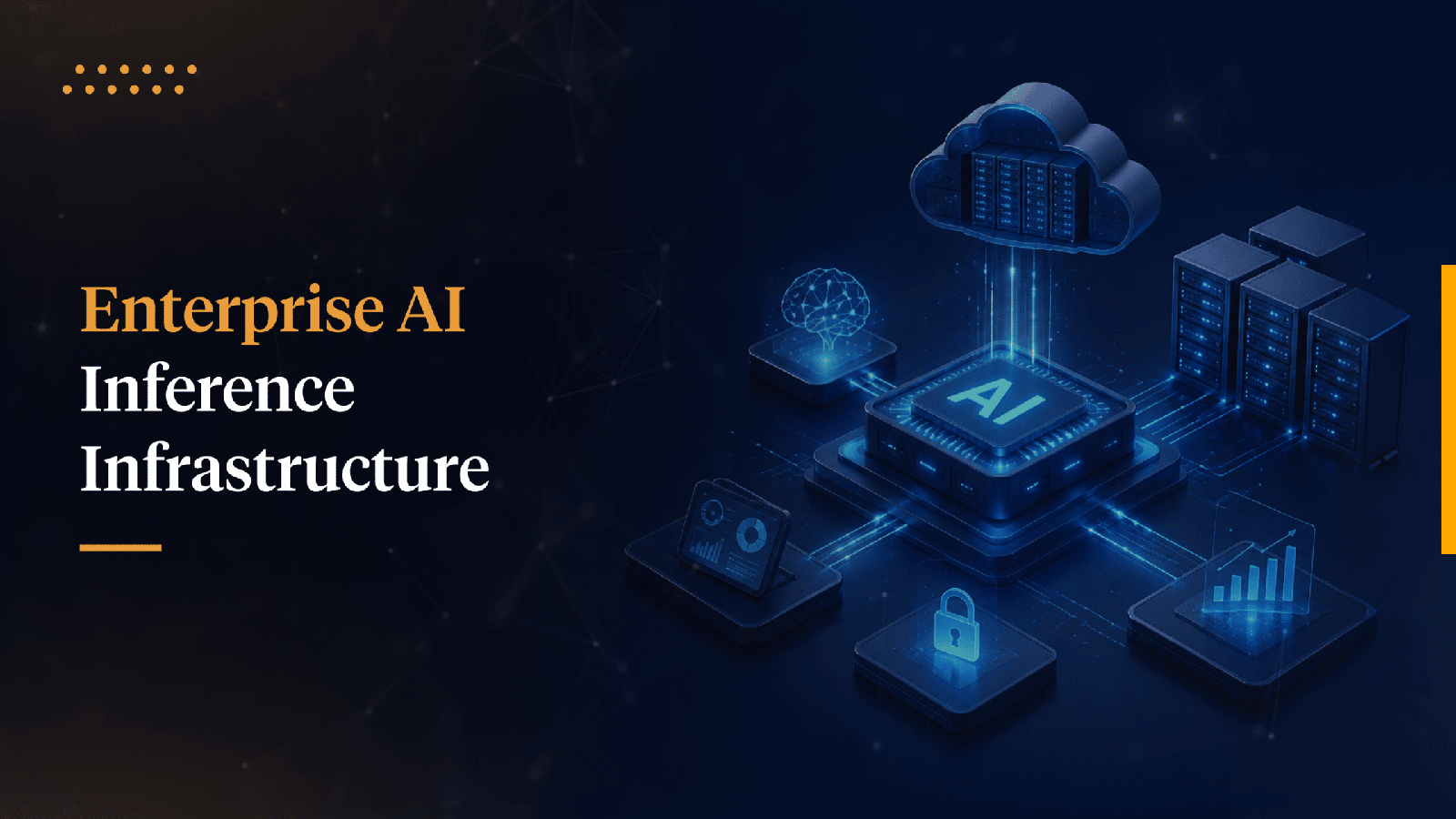
Most enterprise AI conversations really concentrate on developing even bigger - and very capable - models through training. Nonetheless, when an AI application finally gets to production, the actual challenge really becomes inference. In fact, most of an AI system's whole compute budget over its lifetime is actually used serving live requests rather than training the model itself. As user demand grows, companies quite often face much higher latency, significantly greater infrastructure costs, and less-than-efficient hardware use.
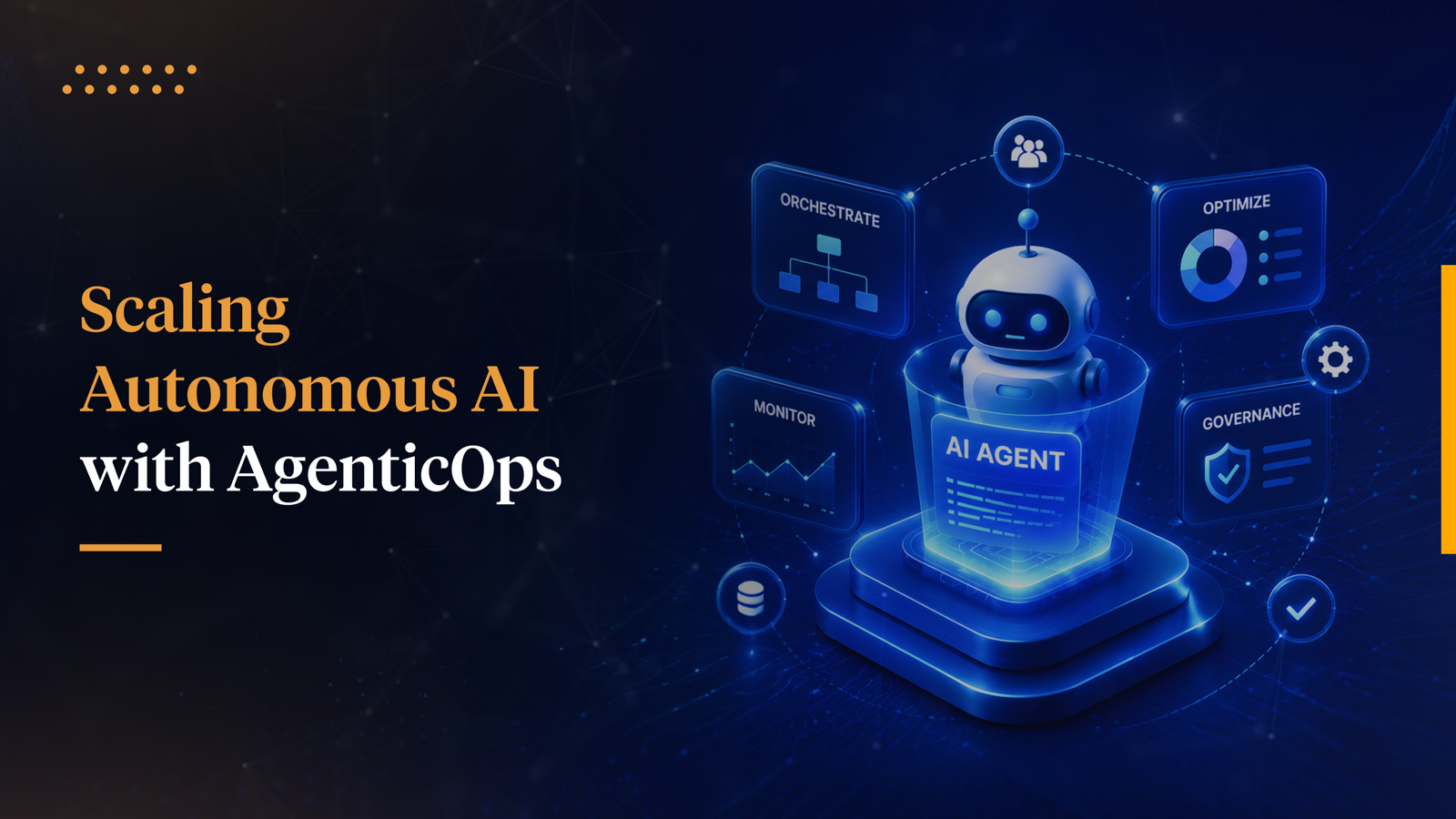
Deploying an AI agent really just gets things started. The actual challenge begins once autonomous agents have access to your company's systems, databases, APIs, and business workflows itself. Without proper operational controls, those digital workers could introduce a whole host of security risks, governance headaches - and even higher infrastructure bills down the line.
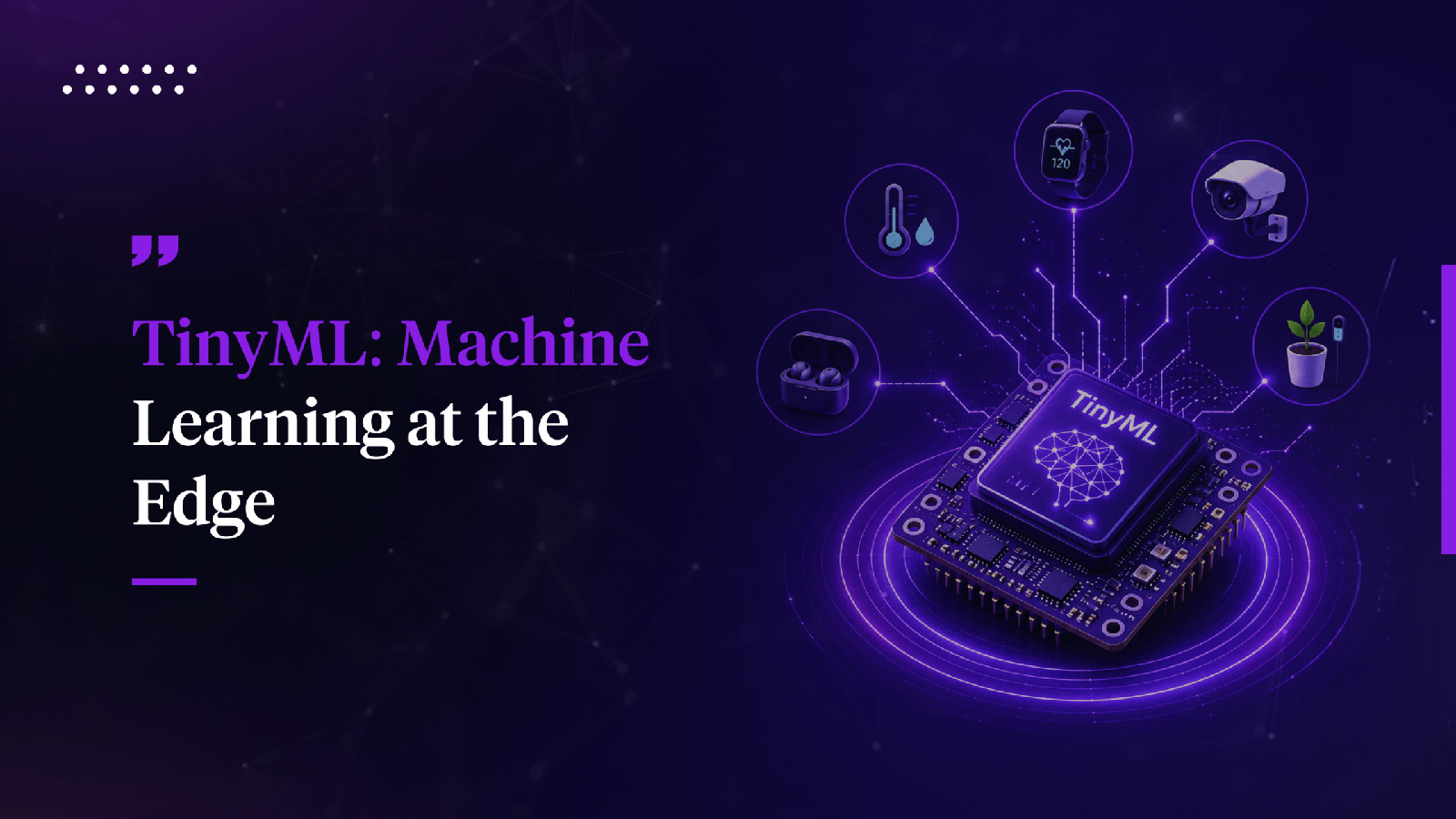
The future of AI isn't just in massive cloud data centers anymore. It's increasingly happening on very small, energy-efficient devices that operate right at the network edge. TinyML is revolutionizing how enterprises use machine learning by making it possible to do intelligent inference directly on microcontrollers - all with a very low power consumption.
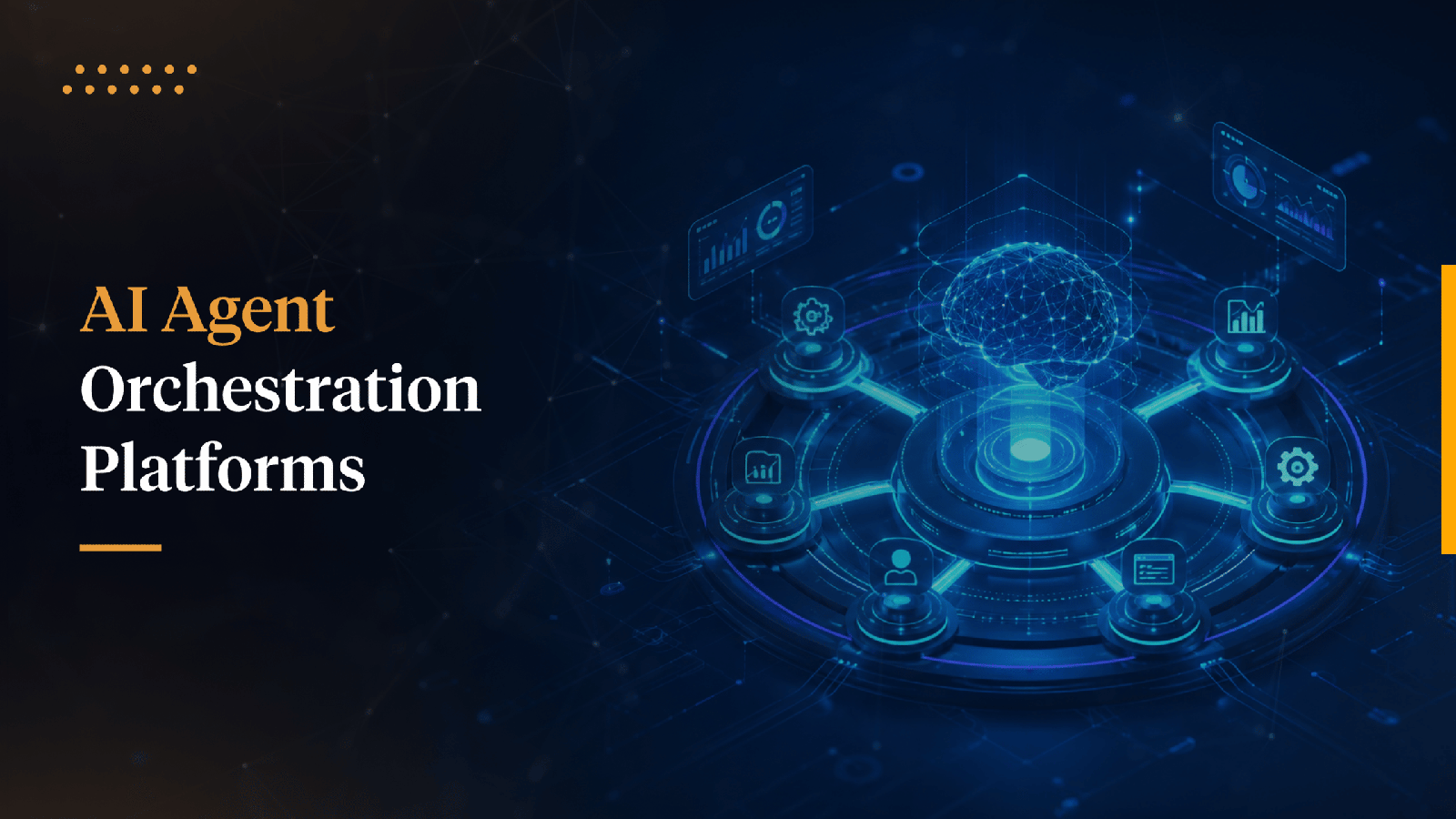
Enterprises have moved beyond asking whether artificial intelligence can improve business operations. The conversation has shifted toward a more practical challenge: how to make AI work reliably across complex, interconnected workflows. While AI agents can automate individual tasks, they often struggle when processes span multiple departments, systems, and approval stages. This is where AI agent orchestration platforms make the difference.
Businesses really don't struggle much anymore finding opportunities for automation. Rather, the main problem is figuring out where automation will function properly. That's why autonomous AI agents have really become a key part of enterprise technology by 2026.

Organisations are quickly outgrowing old-school automation techniques - deploying highly independent AI systems that can reason, take decisions, and carry out tasks all by themselves. Although this development really unlocks a lot of productivity gains, it also introduces a whole new class of operational risk. Unlike standard software programs that just follow pre-set rules, AI agents function with quite a bit more autonomy, connecting with databases, APIs, corporate apps, and business workflows all the time. This change really makes securing AI agents a top business priority - not just some technical detail afterthought anymore.
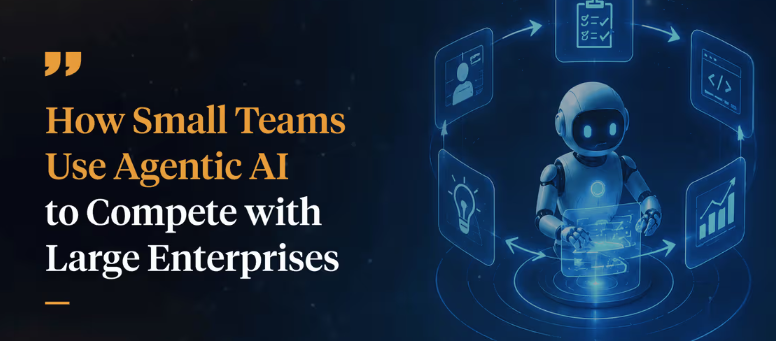
Large corporations had held a significant upper hand over small businesses for many years - thanks to bigger budgets, more substantial teams, and an abundance of technical resources. However, today that gap is really narrowing quite fast due to Agentic AI.

The discussion about AI has really changed. By 2026, success won't be measured by how fast companies set up AI systems - but rather how carefully they run them. With stricter regulations coming down the pike and trust becoming a real competitive differentiator, AI safety in industries has really become a top priority on company boards everywhere in healthcare, fintech, and autonomous systems.

Creating a machine learning model really is just the beginning. The true challenge begins when companies try to put AI into actual real-world use cases. As highlighted in this MLOps guide, lots of AI projects don't really fail while they're being developed. They fail later on after they've been deployed - when models start to see changes in customer behavior, evolving data patterns, and a shifting market landscape.
Artificial intelligence spending is truly exploding. IDC estimates that worldwide AI investments will reach $631 billion by 2028. Still, a lot of enterprise AI initiatives fail even before they get to production.

Your store's search engine is your biggest e-commerce revenue leak - not ads, pricing, or even UI. A customer searches for "iPhone 15 Pro Max 256GB" and your store ranks the 128GB version first. Technically similar? Yes. Commericaly correct? Absolutely not.

Businesses in 2026 are no longer testing out AI - they're operationalizing it instead. AI models have really shifted from optional tools to a crucial part of our core infrastructure, driving decision-making, automation, and scalability every day. At their very core, these models are trained algorithms that learn patterns from data to produce insights, predictions, or sometimes even autonomous actions - all without constant human input.
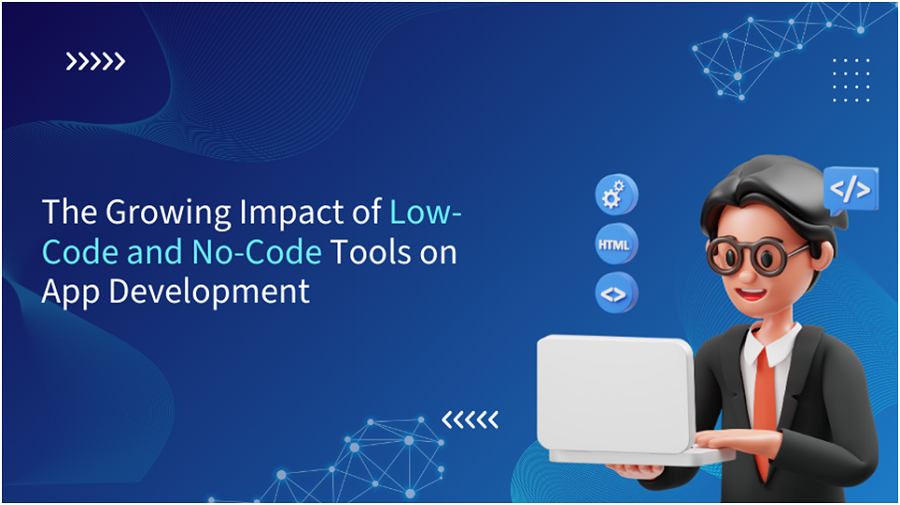
Discover the growing impact of low-code and no-code tools in accelerating application development and driving digital innovation across industries. These platforms simplify the development process by reducing the need for complex coding and enabling faster application creation through visual interfaces, reusable components, and automated workflows.
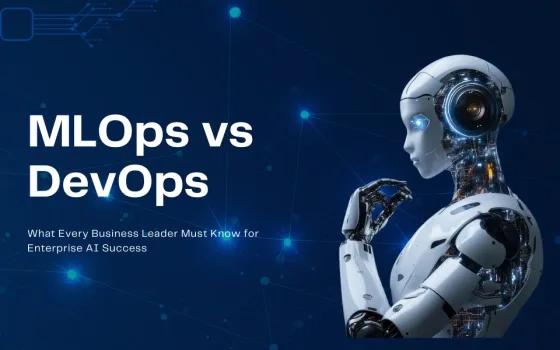
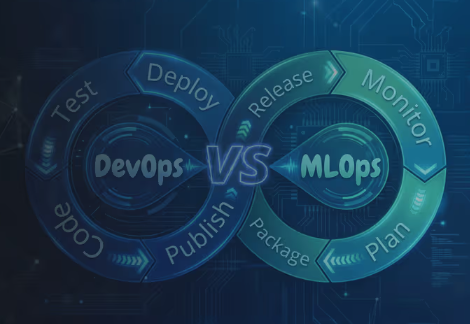
MLOps and DevOps serve distinct purposes—DevOps optimizes software delivery, while MLOps manages the end-to-end lifecycle of machine learning models. With the right MLOps services, businesses can deploy, monitor, and scale AI models reliably.

Explore the complete comparison of MCP vs RAG and understand how each AI framework supports knowledge retrieval, context handling, and real-time action execution. This in-depth guide helps businesses, developers, and AI leaders choose the right strategy for building smarter, more reliable, and future-proof AI solutions.
Discover a clear, step-by-step guide on how to test AI models with performance, regression, robustness, and explainability checks. Learn proven AI testing techniques and best practices to ensure fairness, reliability, and accuracy — a must-read for developers and tech leaders. Read now to strengthen your ML systems!

AI is no longer limited to large cloud systems. With Tiny Machine Learning (TinyML), intelligence can run directly on small devices like IoT sensors, wearables, and embedded systems. This approach is called on-device intelligence, and it helps devices make quick decisions without relying on the internet.